Understanding The Cost Of Insurance And How To Reduce It
Understanding the Cost of Insurance and How to Reduce It
As we navigate the ups and downs of life, one thing remains constant: the importance of insurance. Whether it’s health, auto, home, or life insurance, having the right coverage can provide peace of mind and protect us from financial ruin. However, with the ever-rising costs of insurance, it’s essential to understand the factors that drive up premiums and learn how to reduce them. In this article, we’ll explore the world of insurance, explaining the various types, the elements that affect costs, and most importantly, how you can lower your insurance expenses.
What Affects the Cost of Insurance?
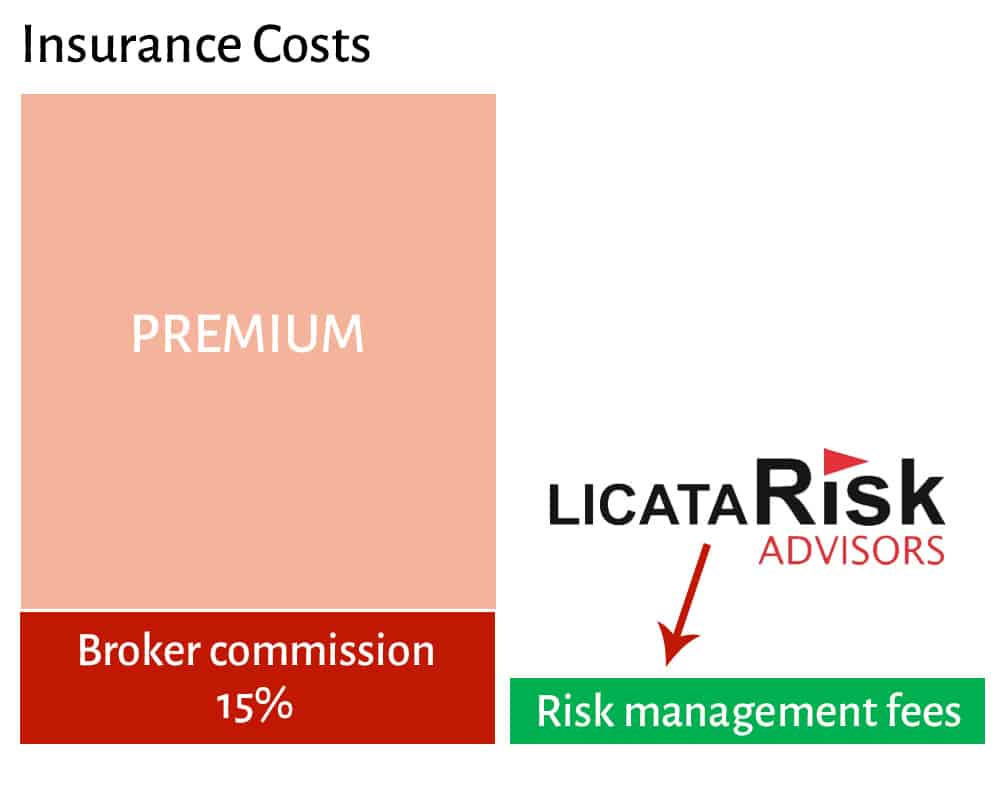
Before diving into ways to lower insurance costs, it’s essential to understand the factors that contribute to the final premium amount. These factors vary across insurance types, but some common ones include:
- Age: In most cases, older individuals pay more for insurance. For instance, auto insurance premiums often decrease as you get older, but health insurance rates tend to increase.
- Location: Where you live plays a significant role in determining insurance costs. Areas prone to natural disasters or crime tend to have higher premiums.
- Coverage Options: The amount of coverage you choose directly affects your premium. Opting for more comprehensive coverage will likely increase costs.
- Deductible: Your deductible amount can impact premiums. Choosing a higher deductible usually means lower premiums, but be prepared for higher out-of-pocket expenses.
- Health and Lifestyle: Insurance companies often consider your health and lifestyle when calculating premiums. For example, smokers typically pay more for life insurance.
- Claims History: If you’ve made insurance claims in the past, you might see higher premiums in the future.
- Provider and Plan: Insurance company and plan selection can significantly affect costs.
Types of Insurance and Their Average Costs
Understanding the average costs associated with different types of insurance can help you set a baseline for your expenses. Here’s a rough guide to the various insurance types and their typical costs:
- Health Insurance: This varies greatly depending on age, location, plan, and coverage. However, on average, individuals under 40 pay around $300-$500 per month, while those above 40 may pay up to $800-$1,200.
- Auto Insurance: The average monthly auto insurance premium for a single vehicle ranges from $100-$300, depending on factors like age, driving history, and coverage levels.
- Home Insurance: Home insurance costs vary significantly based on location, property value, and coverage options. Annual premiums typically range from $600-$2,000.
- Life Insurance: The cost of life insurance varies greatly depending on factors like age, health, coverage, and policy length. Term life insurance can range from $20-$100 per month, while whole life insurance can cost upwards of $500-$1,000.
Tips to Reduce Insurance Costs
Now that you’ve got a grasp on the factors that affect insurance costs, it’s time to explore ways to lower your premiums:
- Shop Around: Research and compare insurance providers and plans to find the best deals.
- Bundle Policies: Purchasing multiple policies from the same provider can often lead to discounts.
- Increase Deductibles: Raising your deductible can lower premiums but be prepared for increased out-of-pocket expenses.
- Improve Your Credit Score: Many insurance companies offer discounts to clients with good credit scores.
- Drop Unnecessary Coverage: Review your policy and cancel coverage for items you no longer need or want.
- Opt for a High-Excess Plan: For those who can afford it, choosing a plan with a higher excess (out-of-pocket expenses) may lower premiums.
- Get Multi-Car Discounts: If you own multiple vehicles, many insurance companies offer discounts for insuring them on the same policy.
- Invest in Home Security: Consider installing home security systems to reduce premiums on home insurance.
- Improve Your Driving Record: Good driving habits can lead to reduced auto insurance premiums.
- Consider Term Insurance: For life insurance, term insurance can be a cost-effective option, especially for those in their early years.
- Avoid Unnecessary Add-ons: Carefully review policy add-ons and cancel any unnecessary ones to lower costs.
- Take Advantage of Workplace Discounts: Many companies offer discounted insurance to employees, so be sure to explore this option.
- Healthy Habits: Quit smoking, maintain a healthy weight, and exercise regularly to enjoy lower premiums for health and life insurance.
- Get Annual Rate Checks: Regularly review your premiums and compare them to current market rates to ensure you’re getting the best deal.
Special Discounts and Savings
Consider taking advantage of these lesser-known discounts to shrink your insurance expenses:
- Low Mileage Discounts: Some auto insurance companies offer discounts to those with low annual mileage.
- Student Discounts: Full-time students may qualify for lower premiums on auto insurance.
- Occupational Discounts: Certain professionals, such as military personnel and first responders, may receive discounts.
- Welcome Back Discounts: Returning clients might receive discounts or loyalty rewards.
- Telematics Devices: Installing a telematics device in your vehicle can reward you with a lower premium if you demonstrate safe driving habits.
Smart Calculations for Maximum Savings
To get the most from your insurance budget, consider these proactive strategies:
- Calculate Total Costs: Factor in premiums, deductibles, and copays when evaluating insurance plans.
- Consider Short-Term Savings: If you’re on a tight budget, choose lower premiums and sacrifice a bit on coverage for short-term savings.
- Life Changes can Affect Insurance: Notify your insurance provider of major life events, such as marriage or having a baby, to see if it qualifies you for additional discounts.
- Save on Medical Expenses: Take advantage of affordable medical services and providers to lower health insurance costs.
- Create an Emergency Fund: Having an emergency savings pool in place can alleviate the need for high coverage and high premiums.
In Conclusion
Insurance premiums can add up, but by grasping the factors that contribute to these costs and using practical strategies to reduce them, you can protect yourself and your loved ones without breaking the bank. By understanding the world of insurance, shopping around for the best deals, taking advantage of special discounts, and using smart calculations for maximum savings, you can significantly lower your insurance expenses.


Comments
Post a Comment