How To Prepare For An Insurance Audit: A Step-by-Step Guide
How to Prepare for an Insurance Audit: A Step-by-Step Guide
As a business owner, you’ve invested time, money, and resources into building a successful company. Part of that investment includes purchasing insurance to protect your business from potential risks and unforeseen events. But what happens when your insurance company decides to conduct an audit? Don’t worry; we’ve got you covered. In this article, we’ll walk you through the steps to prepare for an insurance audit, so you can avoid any surprises and ensure a smooth process.
What is an Insurance Audit?
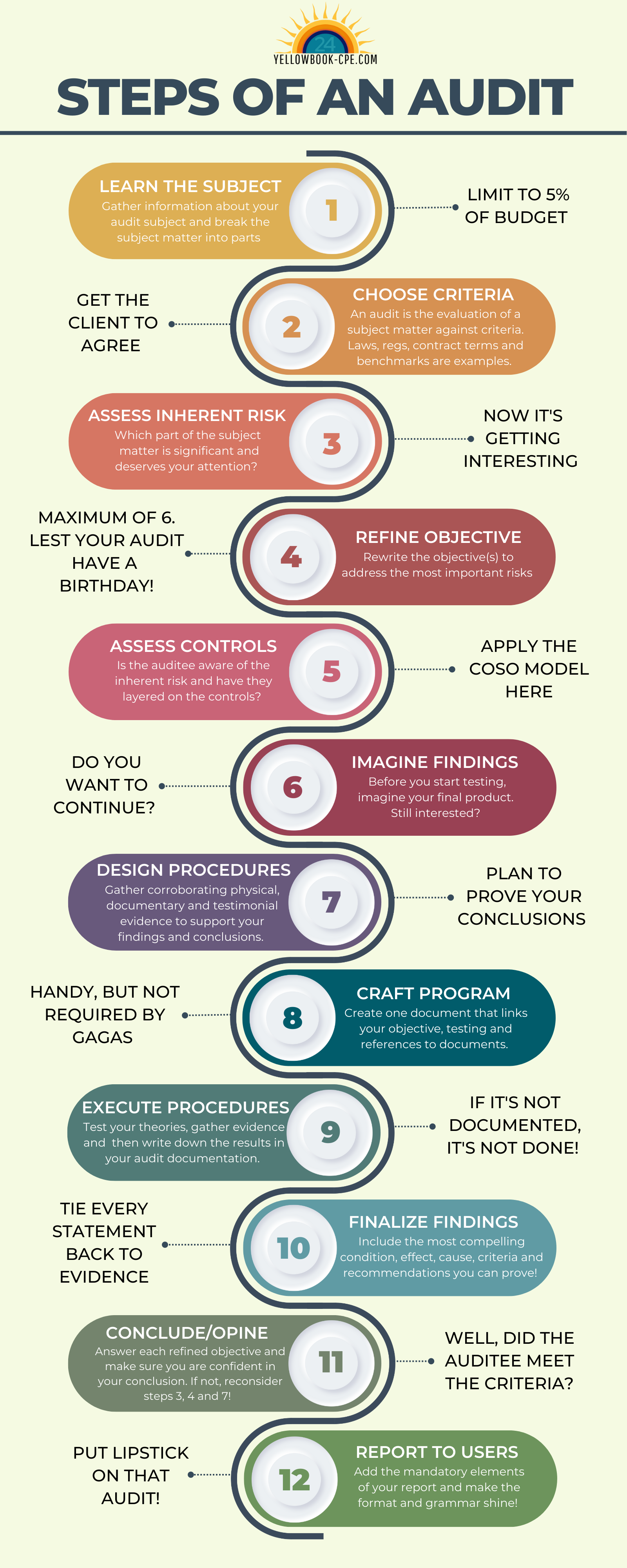
An insurance audit is a process where your insurance company reviews your business operations, financial records, and other relevant documents to verify the accuracy of the information you provided when you purchased your insurance policy. The purpose of an audit is to ensure that your business is accurately classified and that your premiums are correctly calculated.
Why are Insurance Audits Conducted?
Insurance audits are typically conducted for several reasons:
- Classification: To verify that your business is classified correctly, which affects your premium rates.
- Exposure: To determine the level of risk associated with your business, which affects your premium rates.
- Payroll and revenue: To verify the accuracy of your payroll and revenue figures, which affect your workers’ compensation and liability insurance premiums.
- Compliance: To ensure that your business is complying with insurance regulations and laws.
How to Prepare for an Insurance Audit
Preparing for an insurance audit is crucial to ensure a smooth process and avoid any surprises. Here are the steps to follow:
Step 1: Review Your Insurance Policy
Before the audit, review your insurance policy to understand what is covered and what is required. Check the policy’s conditions, exclusions, and requirements to ensure you’re aware of what to expect during the audit.
Step 2: Gather Required Documents
The auditor will require various documents to verify the accuracy of your business information. Gather the following documents:
- Payroll records: Payroll records for the past year, including employee names, job titles, and wages.
- Financial statements: Balance sheets, income statements, and general ledgers for the past year.
- Invoices and receipts: Invoices and receipts for equipment, supplies, and materials.
- Employee records: Employee records, including job descriptions, job titles, and work schedules.
- Business license: Copy of your business license and any other licenses or permits required by law.
- Other records: Any other records relevant to your business operations, such as lease agreements, contracts, and certificates of insurance.
Step 3: Organize Your Documents
Organize your documents in a logical and easy-to-access manner. This will help the auditor quickly locate the information they need, saving time and making the process more efficient.
Step 4: Identify Potential Issues
Review your documents and identify potential issues that may arise during the audit. This may include:
- Discrepancies: Discrepancies in payroll records or financial statements.
- Classification errors: Errors in classification, which may affect premium rates.
- Missing documents: Missing or incomplete documents, which may delay the audit process.
Step 5: Prepare to Answer Questions
The auditor will ask questions to clarify information and verify the accuracy of your documents. Prepare to answer questions about:
- Business operations: Your business operations, including your products or services, and your target market.
- Employee information: Employee information, including job duties, wages, and work schedules.
- Financial information: Financial information, including revenue, expenses, and profitability.
Step 6: Be Available to Answer Questions
Be available to answer questions and provide additional information as needed. This may include providing documents, explaining business operations, or clarifying discrepancies.
Step 7: Follow Up
After the audit, follow up with the insurer to confirm that all issues have been resolved and that your policy has been updated to reflect the audit results.
Common Insurance Audit Issues
During an insurance audit, you may encounter common issues that can impact your premium rates. Here are some common issues to watch out for:
- Misclassification: If your business is misclassified, your premium rates may be incorrect.
- Inaccurate payroll records: Inaccurate payroll records can lead to incorrect premium rates.
- Unreported revenue: Unreported revenue can lead to incorrect premium rates.
- Inadequate documentation: Inadequate documentation can lead to delays in the audit process.
Tips for a Smooth Insurance Audit
Here are some tips to help you navigate the insurance audit process smoothly:
- Be prepared: Gather all required documents and organize them in a logical manner.
- Be available: Be available to answer questions and provide additional information as needed.
- Be transparent: Be transparent about your business operations and financial information.
- Follow up: Follow up with the insurer to confirm that all issues have been resolved.
Conclusion
An insurance audit can seem daunting, but by preparing in advance, you can ensure a smooth process and avoid any surprises. By following these steps, you can be confident that your insurance policy accurately reflects your business operations and that your premium rates are correctly calculated. Remember to stay calm, be prepared, and be transparent throughout the audit process. With these tips, you’ll be well-equipped to navigate an insurance audit with ease.
FAQs
- Q: What is the purpose of an insurance audit?
A: The purpose of an insurance audit is to verify the accuracy of the information you provided when you purchased your insurance policy. - Q: What documents are required for an insurance audit?
A: The auditor will require various documents, including payroll records, financial statements, invoices, and receipts. - Q: How can I prepare for an insurance audit?
A: Review your insurance policy, gather required documents, organize your documents, identify potential issues, prepare to answer questions, be available to answer questions, and follow up with the insurer. - Q: What are common issues that may arise during an insurance audit?
A: Misclassification, inaccurate payroll records, unreported revenue, and inadequate documentation are common issues that may arise during an insurance audit.


Comments
Post a Comment