Understanding Errors And Omissions Insurance: Protecting Your Business From Unforeseen Consequences
Understanding Errors and Omissions Insurance: Protecting Your Business from Unforeseen Consequences
As a business owner, you strive to deliver top-notch services to your clients, but even the most meticulous and skilled professionals can make mistakes. Whether you’re a financial advisor, a lawyer, a doctor, or an accountant, you’re not immune to errors and omissions that can lead to costly lawsuits and damage to your reputation. This is where Errors and Omissions (E&O) insurance comes in – a vital risk management tool that protects your business from unforeseen consequences.
In this article, we’ll delve into the world of E&O insurance, explaining what it is, how it works, and why you need it to safeguard your business. We’ll also explore the common types of E&O insurance, the benefits, and the factors that influence premiums.
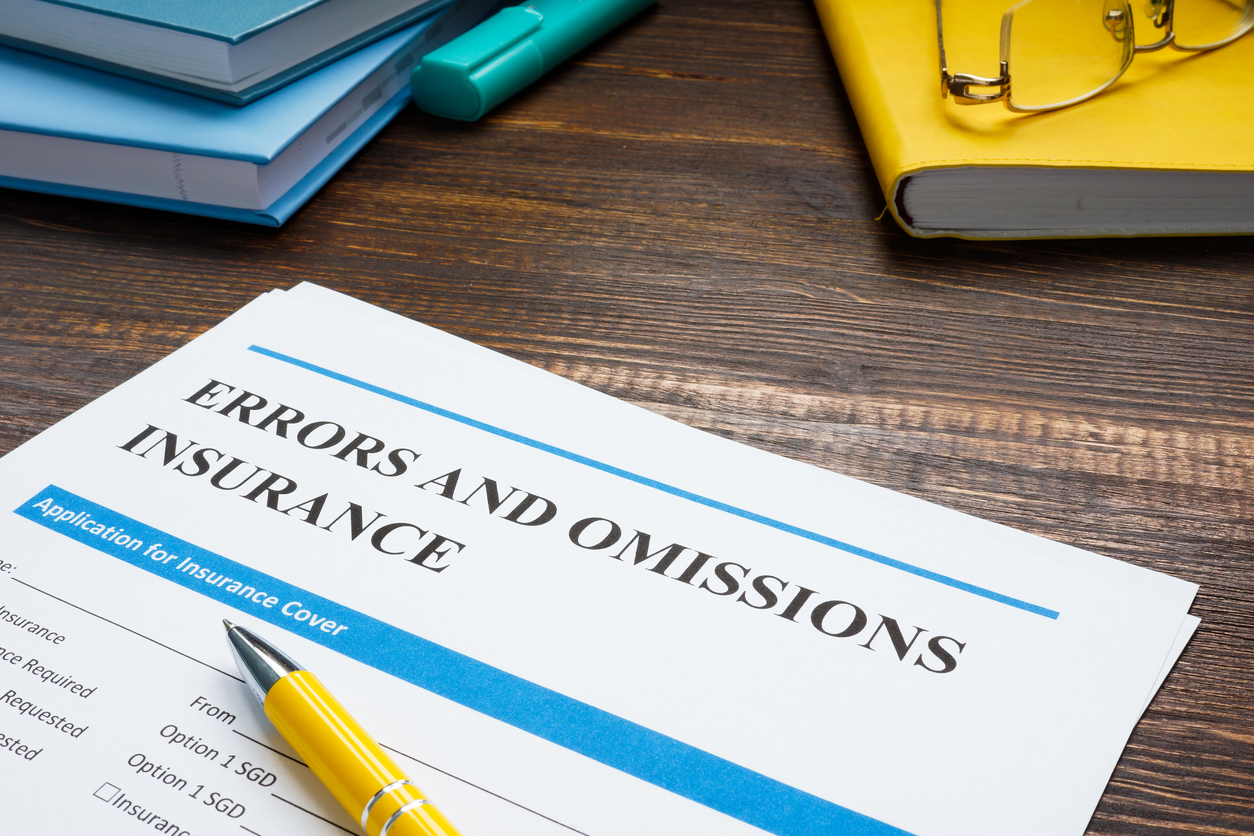
What is Errors and Omissions Insurance?
Errors and Omissions insurance, also known as Professional Liability insurance, is a type of liability insurance that protects businesses and individuals from claims of negligence, errors, or omissions made while performing professional services. This insurance policy covers the costs of defending your business against lawsuits, settlements, or judgments stemming from alleged mistakes or oversights.
How Does E&O Insurance Work?
E&O insurance works by providing coverage for the legal costs and damages associated with a lawsuit or claim against your business. Here’s a step-by-step breakdown:
- Policy purchase: You purchase an E&O insurance policy that meets your business needs.
- Claim made: A client files a lawsuit or claim against your business, alleging negligence, error, or omission.
- Notification: You notify your insurer, who reviews the claim and determines if it falls under the policy’s terms.
- Defense: Your insurer pays for the cost of defending your business, including attorney fees, court costs, and expert witness fees.
- Settlement or judgment: If a settlement or judgment is made, your insurer covers the damages up to the policy limits.
Common Types of E&O Insurance
While E&O insurance is often associated with professional services, various industries have their own versions of this insurance. Here are some common types:
- Medical Malpractice insurance: Covers healthcare professionals and organizations from claims of medical negligence or malpractice.
- Lawyers Professional Liability insurance: Covers lawyers and law firms from claims of professional negligence or malpractice.
- Accountants Professional Liability insurance: Covers accountants and accounting firms from claims of professional negligence or malpractice.
- Directors and Officers (D&O) insurance: Covers directors, officers, and other executives from claims of mismanagement or breach of fiduciary duty.
Benefits of E&O Insurance
Errors and Omissions insurance offers numerous benefits that can protect your business and reputation:
- Financial protection: Covers the costs of lawsuits, settlements, and judgments, preventing financial ruin.
- Reputation protection: Helps maintain your professional reputation by defending against allegations of negligence or malpractice.
- Risk management: Encourages risk management practices, as insurers often provide guidance on mitigating potential errors.
- Client trust: Demonstrates your commitment to client satisfaction and your willingness to address any concerns.
Factors that Influence E&O Premiums
The cost of E&O insurance varies depending on several factors:
- Industry and occupation: Higher-risk professions, like medical professionals, may pay more than lower-risk professionals, like IT consultants.
- Business size and revenue: Larger businesses with more employees and revenue may pay more than smaller ones.
- Location: Businesses operating in areas with high litigation rates may pay more than those in lower-risk areas.
- Claims history: A history of claims can increase premiums, as it indicates a higher risk of future claims.
- Policy limits and deductibles: Higher policy limits and lower deductibles typically result in higher premiums.
Choosing the Right E&O Insurance Policy
When selecting an E&O insurance policy, consider the following:
- Policy limits: Ensure the policy limits align with your business needs and provide adequate coverage.
- Deductible: Choose a deductible that balances affordability with coverage needs.
- Carrier reputation: Select a reputable insurance carrier with a strong track record of claims handling.
- Policy exclusions: Carefully review policy exclusions to ensure they don’t leave your business vulnerable to certain types of claims.
- Carrier experience: Choose a carrier with experience in your industry or profession.
Conclusion
Errors and Omissions insurance is an essential risk management tool for businesses and professionals that provide services. By understanding how E&O insurance works, the benefits, and the factors that influence premiums, you can protect your business from unforeseen consequences and maintain a strong reputation. Don’t wait until it’s too late – invest in an E&O insurance policy that safeguards your business and gives you peace of mind.
As you navigate the world of E&O insurance, remember that this policy is not a one-size-fits-all solution. Take the time to assess your business needs, and consult with a reputable insurance professional to find the right policy for you. Your business, reputation, and clients will thank you.
Frequently Asked Questions
Q: What is the difference between Errors and Omissions insurance and General Liability insurance?
A: E&O insurance covers claims of professional negligence or malpractice, while General Liability insurance covers bodily injury, property damage, and personal injury.
Q: Is E&O insurance mandatory?
A: While not always mandatory, E&O insurance is often required by regulatory bodies, licensing authorities, or professional associations.
Q: Can I purchase E&O insurance for my entire business, or just for individual employees?
A: You can purchase E&O insurance for your entire business or just for specific employees. This depends on your business needs and the type of insurance you require.
Q: How do I determine the right policy limits for my business?
A: Consider your business revenue, assets, and potential losses to determine the right policy limits. Consult with an insurance professional to ensure you’re adequately covered.
Q: Can I cancel my E&O insurance policy if I no longer need it?
A: Check your policy terms to see if cancellation is allowed. Some policies may have penalties or restrictions on cancellation.


Comments
Post a Comment