The Impact Of Natural Disasters On Insurance Coverage
The Impact of Natural Disasters on Insurance Coverage
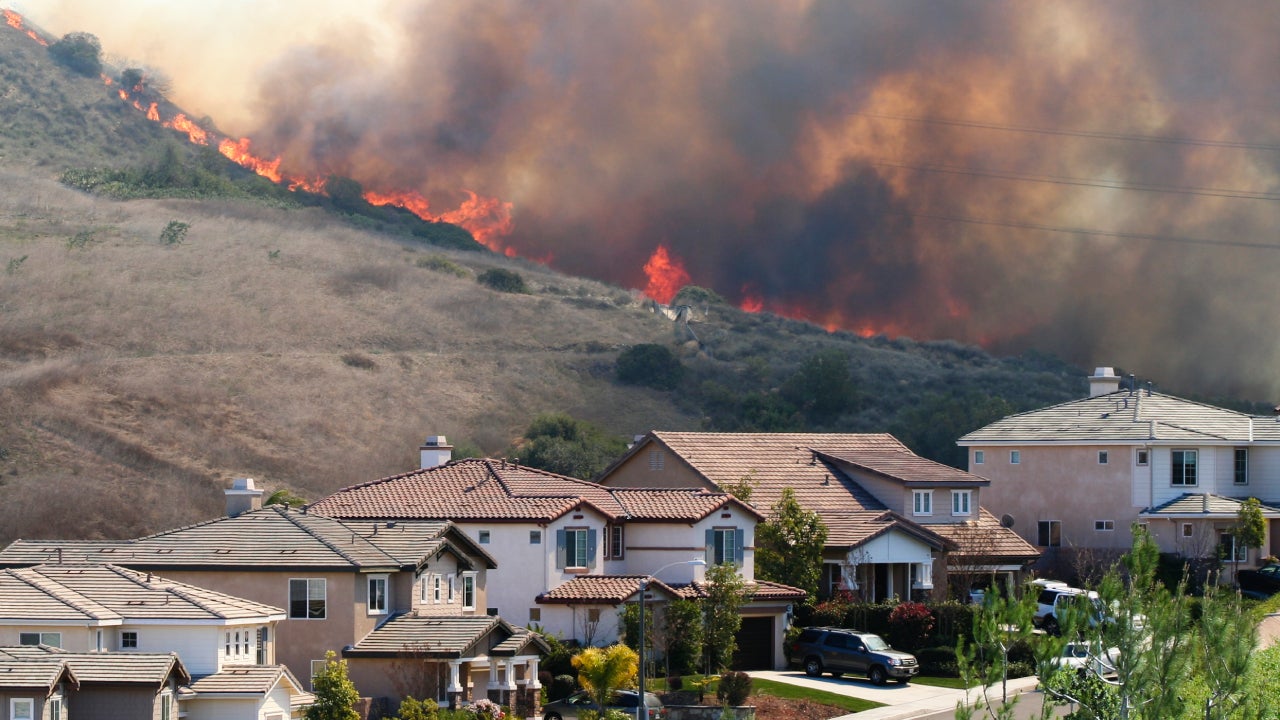
As we continue to navigate the complexities of our ever-changing world, one thing is certain: natural disasters are becoming increasingly frequent and unpredictable. Whether it’s a Category 5 hurricane, a devastating earthquake, or a raging wildfire, these events can have a profound impact on our communities, our economies, and our daily lives.
One area that is often overlooked in the aftermath of a natural disaster is the impact on insurance coverage. As policymakers, insurers, and individuals struggle to respond to the immediate needs of those affected, the long-term implications for insurance coverage can be far-reaching and complex. In this article, we will explore the impact of natural disasters on insurance coverage, including the challenges faced by insurers, the evolving landscape of disaster risk management, and the innovative solutions being developed to address these emerging issues.
The Challenges Faced by Insurers
When a natural disaster occurs, insurers are often faced with a deluge of claims, many of which may be complex and time-consuming to process. As they work to provide vital support to policyholders, insurers must also contend with:
- Increased risk: Natural disasters can lead to a surge in claims, which can put a strain on an insurer’s resources and increase their risk exposure.
- Uncertainty and unpredictability: The unpredictability of natural disasters can make it challenging for insurers to accurately assess risk and set premiums.
- Regulatory requirements: Insurers must comply with a complex web of regulations, including those related to claims handling, policy cancellations, and rate increases.
- Reinsurance costs: Insurers may need to purchase reinsurance to manage their risk exposure, which can be costly and affect their bottom line.
The Evolving Landscape of Disaster Risk Management
In recent years, the insurance industry has begun to recognize the importance of disaster risk management, which goes beyond traditional insurance coverage. This approach involves a holistic view of disaster risk, incorporating:
- Risk assessment: Identifying and assessing the risks associated with natural disasters.
- Risk reduction: Implementing measures to reduce the impact of disasters, such as building codes and storm shutters.
- Risk mitigation: Developing strategies to minimize losses, such as flood-control measures and emergency preparedness plans.
- Risk financing: Providing financial protection against disasters, including insurance and other financial instruments.
Innovative Solutions
In response to the growing need for effective disaster risk management, innovative solutions are emerging, including:
- Parametric insurance: Providing coverage based on specific parameters, such as wind speed or rainfall intensity, rather than traditional claims-based models.
- Catastrophe bonds: Allowing insurers to transfer risk to capital markets, reducing their exposure to large losses.
- Insurance-linked securities: Creating a market for insurance-linked securities, which can provide a new source of funding for disaster risk management.
- Public-private partnerships: Collaborating between governments, insurers, and other stakeholders to develop comprehensive disaster risk management strategies.
Case Studies
- Hurricane Katrina: In 2005, Hurricane Katrina devastated the Gulf Coast, resulting in over $160 billion in damages. In response, the insurance industry worked with policymakers to develop new flood insurance programs and improve disaster risk management practices.
- California wildfires: The 2018 California wildfires led to a surge in lawsuits against utility companies, highlighting the need for innovative solutions to manage disaster risk.
- Typhoon Haiyan: In 2013, Typhoon Haiyan devastated the Philippines, resulting in over 6,000 deaths and widespread destruction. In response, the Philippine government implemented a new disaster risk management framework, which included the development of catastrophe insurance programs.
Conclusion
Natural disasters are an unfortunate reality of our world, and their impact on insurance coverage is a critical issue that requires attention and innovation. As the insurance industry continues to evolve and adapt to emerging challenges, policymakers, insurers, and individuals must work together to develop comprehensive disaster risk management strategies that address the complexity and uncertainty of natural disasters.
By embracing a holistic view of disaster risk, incorporating innovative solutions, and collaborating across sectors, we can work towards a more resilient future, where insurance coverage plays a vital role in protecting communities and supporting economic growth.
Recommendations
- Invest in disaster risk management: Governments and insurers should invest in disaster risk management initiatives, including risk assessment, risk reduction, and risk mitigation.
- Develop innovative insurance products: Insurers should develop innovative insurance products, such as parametric insurance and catastrophe bonds, to provide financial protection against disasters.
- Enhance collaboration: Policymakers, insurers, and stakeholders should collaborate to develop comprehensive disaster risk management strategies that address the complexity and uncertainty of natural disasters.
- Educate and raise awareness: Educating policyholders and the broader public about disaster risk management and insurance coverage is critical to promoting resilience and reducing the impact of natural disasters.
The Way Forward
As we look to the future, it is clear that natural disasters will continue to pose a significant challenge to insurance coverage. However, by embracing a holistic view of disaster risk, incorporating innovative solutions, and collaborating across sectors, we can work towards a more resilient future, where insurance coverage plays a vital role in protecting communities and supporting economic growth.
Ultimately, the impact of natural disasters on insurance coverage is a complex and evolving issue that requires a comprehensive and collaborative response. By working together, we can build a more resilient world, where insurance coverage is a cornerstone of disaster risk management.


Comments
Post a Comment