"Health Insurance Vs. Health Savings Accounts (HSAs)"
Health Insurance vs. Health Savings Accounts (HSAs): What’s the Difference and Which One is Right for You?
Are you tired of feeling confused about health insurance and health savings accounts (HSAs)? Do you wish you had a clear understanding of how they work and which one is best for your financial and medical needs? Look no further. This article will break down the differences between health insurance and HSAs, explaining how each works, their benefits and drawbacks, and ultimately help you decide which one is right for you.
Health Insurance: A Traditional Approach
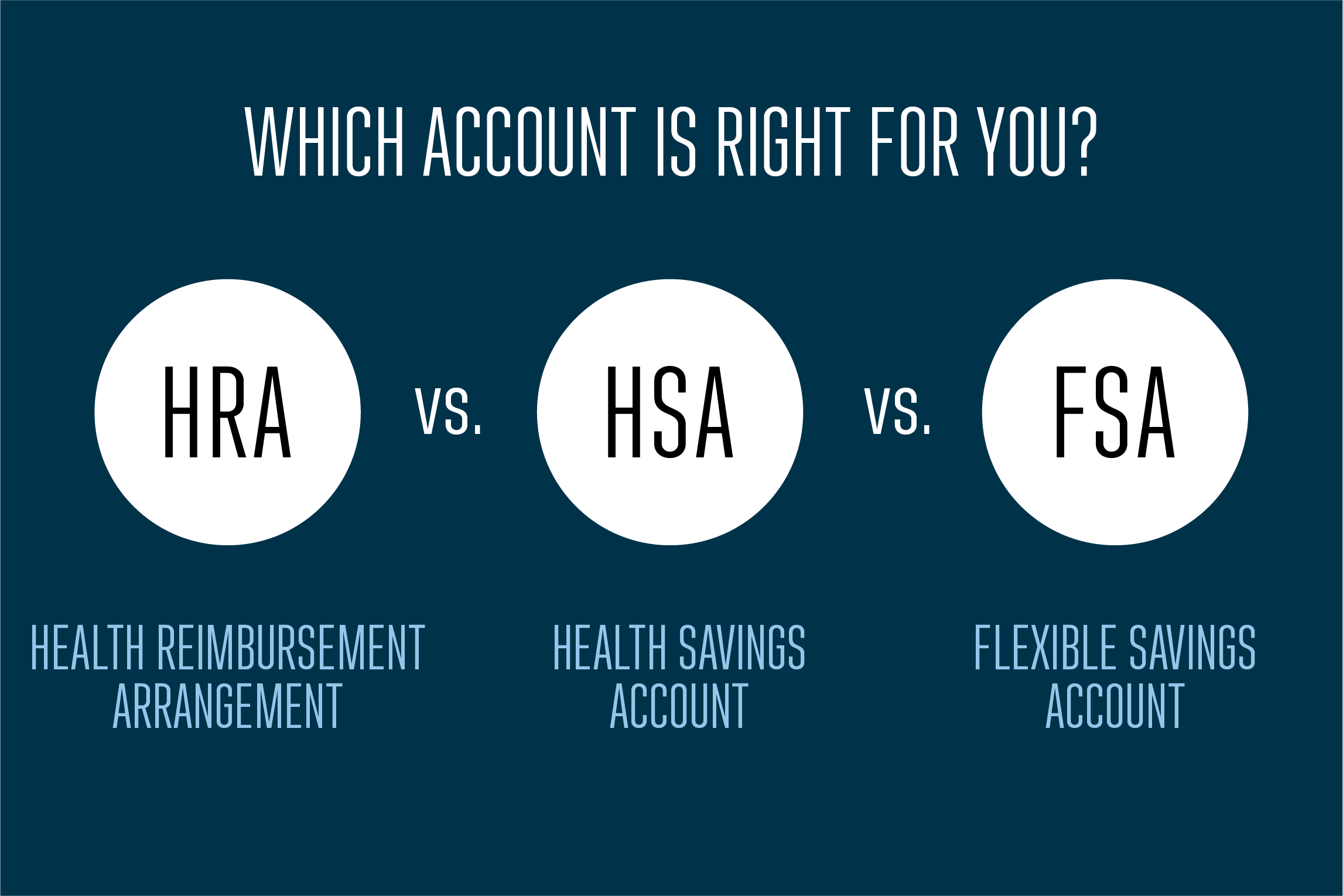
Health insurance is a type of insurance that covers medical expenses, including doctor visits, hospital stays, surgery, and prescription medication. When you purchase health insurance, you pay a premium each month, and in return, the insurance company covers a portion of your medical expenses. The idea behind health insurance is to protect you from financial ruin in the event of an unexpected medical emergency.
There are two main types of health insurance: group health insurance and individual health insurance. Group health insurance is offered through your employer, while individual health insurance is purchased directly from an insurance company.
How Health Insurance Works
Here’s a step-by-step explanation of how health insurance works:
- Premiums: You pay a premium each month to maintain your health insurance coverage.
- Deductible: You pay a deductible, which is a set amount of money, before your insurance coverage kicks in.
- Co-payments: You pay a co-payment, which is a set amount of money, for each doctor visit or medical service.
- Co-insurance: You pay a percentage of your medical expenses, known as co-insurance, after your deductible is met.
- Maximum out-of-pocket (MOOP): You have a maximum out-of-pocket (MOOP) limit, which is the most you’ll pay for medical expenses in a year.
Benefits of Health Insurance
There are several benefits to having health insurance:
- Financial protection: Health insurance protects you from financial ruin in the event of an unexpected medical emergency.
- Preventive care: Many health insurance plans cover preventive care, such as vaccinations and annual physicals.
- Network of doctors: Health insurance plans often have a network of doctors and hospitals that you can visit at a lower cost.
Drawbacks of Health Insurance
While health insurance can provide financial protection and preventive care, it’s not without its drawbacks:
- Premium costs: Health insurance premiums can be expensive, especially if you’re not getting a subsidy or discount.
- Limited provider network: Some health insurance plans have limited provider networks, which can make it difficult to get care from your preferred doctor or hospital.
- Administrative hassle: Health insurance can come with administrative hassle, such as paperwork and phone calls to resolve claims disputes.
Health Savings Accounts (HSAs): A Tax-Favored Approach
A Health Savings Account (HSA) is a tax-favored savings account that helps you set aside money for medical expenses. To qualify for an HSA, you must have a High Deductible Health Plan (HDHP).
How HSAs Work
Here’s a step-by-step explanation of how HSAs work:
- Contributions: You contribute to your HSA each year, up to a certain limit.
- Pre-tax dollars: Contributions to your HSA are made with pre-tax dollars, which reduces your taxable income.
- Growth: Your HSA grows tax-free, earning interest on your contributions.
- Withdrawals: You can withdraw money from your HSA to pay for qualified medical expenses, tax-free.
- Portability: You own your HSA, which means you can take it with you if you change jobs or retire.
Benefits of HSAs
There are several benefits to having an HSA:
- Tax benefits: Contributions to your HSA are made with pre-tax dollars, which reduces your taxable income.
- Growth: Your HSA grows tax-free, earning interest on your contributions.
- Portability: You own your HSA, which means you can take it with you if you change jobs or retire.
- Flexibility: HSAs can be used to pay for qualified medical expenses, including dental and vision expenses.
Drawbacks of HSAs
While HSAs offer tax benefits and growth, there are some drawbacks to consider:
- Limited contributions: There are limits to how much you can contribute to your HSA each year.
- High deductible plan: To qualify for an HSA, you must have a High Deductible Health Plan (HDHP), which can be expensive.
- Administrative hassle: Like health insurance, HSAs can come with administrative hassle, such as paperwork and phone calls to resolve claims disputes.
Comparing Health Insurance and HSAs
So, how do health insurance and HSAs compare? Here’s a summary:
Health Insurance vs. HSA: Key Differences
| Feature | Health Insurance | HSA |
|---|---|---|
| Premiums | Monthly premium payments | Contributions made with pre-tax dollars |
| Deductible | Set deductible amount | High deductible plan required |
| Co-payments | Co-payments for doctor visits and medical services | No co-payments, but money is withdrawn from HSA |
| Co-insurance | Co-insurance percentage applies | No co-insurance |
| Maximum out-of-pocket (MOOP) | MOOP limit applies | No MOOP limit |
| Tax benefits | None | Contributions are made with pre-tax dollars, growth is tax-free, and withdrawals are tax-free |
| Provider network | Network of doctors and hospitals applies | No provider network restriction |
| Administrative hassle | Paperwork and phone calls may apply | Paperwork and phone calls may apply |
Which One is Right for You?
Ultimately, the decision between health insurance and an HSA depends on your individual needs and financial situation. Here are some factors to consider:
- Health status: If you have ongoing medical expenses or a chronic condition, health insurance might be the better choice.
- Financial situation: If you have a high-deductible plan and can afford to set aside money each month for medical expenses, an HSA might be the better choice.
- Tax benefits: If you’re looking for tax benefits, an HSA might be the better choice.
- Provider network: If you have a preferred doctor or hospital, health insurance might be the better choice.
In conclusion, both health insurance and HSAs have their benefits and drawbacks. By understanding how each works and considering your individual needs and financial situation, you can make an informed decision about which one is right for you. Remember, the most important thing is to prioritize your health and financial well-being, and choose the option that best supports your needs.
Tips and Recommendations
- Consider a hybrid approach: Some employers offer a hybrid approach, where you have a high-deductible plan and an HSA.
- Contribute to your HSA regularly: Make regular contributions to your HSA to take advantage of tax benefits and growth.
- Keep receipts and records: Keep track of your medical expenses and receipts to ensure you’re using your HSA correctly.
- Consult with a financial advisor: Consult with a financial advisor to determine which option is best for your financial situation.
By following these tips and recommendations, you can make an informed decision about health insurance and HSAs, and prioritize your health and financial well-being.


Comments
Post a Comment