How To Ensure Proper Coverage For Your Home Renovations
How to Ensure Proper Coverage for Your Home Renovations
Are you planning a home renovation project? Whether it’s a minor update or a major overhaul, renovations can be a stressful and costly experience. One of the biggest concerns is ensuring that you have the right insurance coverage in place to protect your investment. In this article, we’ll walk you through the process of getting the right insurance coverage for your home renovations, so you can breathe easy and enjoy your newly updated space.
Why Do I Need Special Coverage for My Home Renovations?
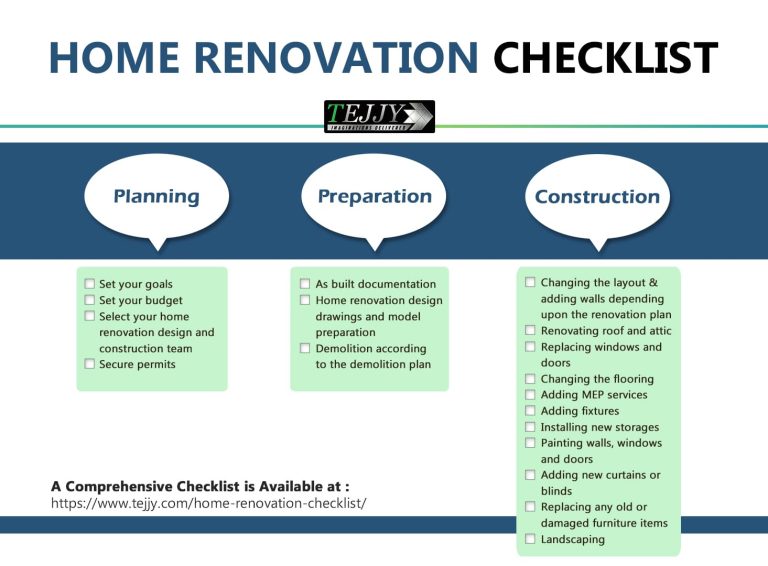
If you’re planning a home renovation project, you may not realize that your standard homeowner’s insurance policy may not provide adequate coverage. Here are a few reasons why:
- Increased value: When you renovate, you’re likely increasing the value of your home. This can put you at risk if your standard policy doesn’t account for the increased value.
- Exposure to liability: Renovations can be messy and chaotic, with multiple contractors, workers, and equipment on site. This increases the risk of accidents, injuries, and property damage.
- Unique risks: Certain types of renovations, such as structural modifications or electrical and plumbing updates, can come with unique risks that your standard policy may not cover.
What Types of Coverage Do I Need?
To ensure proper coverage for your home renovations, you may need to consider the following types of coverage:
- Builder’s risk coverage: This type of coverage protects against damage to the renovation site, including theft, vandalism, and equipment damage.
- General liability coverage: This type of coverage protects against injuries and accidents that occur during the renovation process.
- Equipment coverage: This type of coverage protects your tools, materials, and equipment against damage or theft.
- Completed operations coverage: This type of coverage protects against injuries and accidents that occur after the renovation is complete.
How to Get the Right Coverage
Now that you know what types of coverage you need, here’s how to get them:
- Contact your insurance agent: Your insurance agent can help you determine what types of coverage you need and how much it will cost.
- Choose a policy: Based on your agent’s recommendations, choose a policy that provides the right level of coverage for your renovation project.
- Read and understand your policy: Before signing on the dotted line, make sure you read and understand your policy, including the terms, conditions, and exclusions.
Tips and Traps to Watch Out For
When it comes to getting insurance coverage for your home renovations, there are a few tips and traps to watch out for:
- Understand the exclusions: Make sure you understand what’s excluded from your policy, such as certain types of damage or liability.
- Check the fine print: Read the fine print of your policy carefully to ensure that it provides the right level of coverage.
- Don’t skimp on coverage: While it may be tempting to save money on insurance coverage, don’t skimp on coverage. This could leave you at risk of financial loss if something goes wrong.
- Consider hiring licensed and insured contractors: When hiring contractors, make sure they are licensed and insured. This can help ensure that they are responsible and can provide quality work.
- Document everything: Keep detailed records of your renovation project, including receipts, invoices, and before-and-after photos. This can help prove that you had the right coverage in place if a dispute arises.
What Are the Common Exclusions in Renovation Policies?
When purchasing a policy to cover your home renovation, there are common exclusions to look out for:
- Workmanship: Policies may not cover poor workmanship or accidents caused by subcontractors.
- Code or ordinance upgrade: If local building codes require your home to be updated to meet certain standards, this may not be covered.
- Environmental damage: Environmental hazards like mold or lead paint removal may not be covered.
- Personal property: Your policy may not cover loss or theft of personal property during renovations.
- Business operations: If you are starting a home-based business or using a renovated area for commercial purposes, this may not be covered.
How Much Will it Cost Me?
The cost of insurance coverage for your home renovation will depend on a number of factors, including:
- Location: Your location can have an impact on the cost of insurance.
- Renovation value: The value of your renovation project can impact the cost of insurance.
- Policy limits: The limits of your policy can impact the cost of insurance.
- Coverage type: The type of coverage you choose can impact the cost of insurance.
Final Tips and Tricks
When it comes to ensuring proper coverage for your home renovations, here are a few final tips and tricks:
- Don’t wait: Don’t wait until the last minute to secure coverage. Start researching and applying for coverage as soon as possible.
- Shop around: Shop around for insurance coverage to find the best rates and coverage options.
- Plan ahead: Plan ahead and budget for insurance coverage as part of your renovation project.
- Keep records: Keep detailed records of your policy, including the premium, limits, and coverage.
- Ask questions: If you have any questions or concerns about your policy, don’t hesitate to ask your insurance agent.
Conclusion:
Ensuring proper coverage for your home renovation is essential to protecting your investment and enjoying your newly updated space. By following the tips and guidelines outlined in this article, you can ensure that you have the right insurance coverage in place to cover your home renovations. So, don’t wait – start researching and applying for coverage today, and rest assured that your home is protected!


Comments
Post a Comment