The Different Types Of Business Insurance: Protecting Your Company From Uncertainty
The Different Types of Business Insurance: Protecting Your Company from Uncertainty
As a business owner, you understand the significance of mitigating risks and uncertainties that can impact your organization. One of the most effective ways to do this is by investing in business insurance. Having the right type of insurance can provide you with peace of mind, protect your assets, and help you recover from unforeseen events. In this article, we will delve into the different types of business insurance, exploring what they cover and why you need them.
1. Liability Insurance
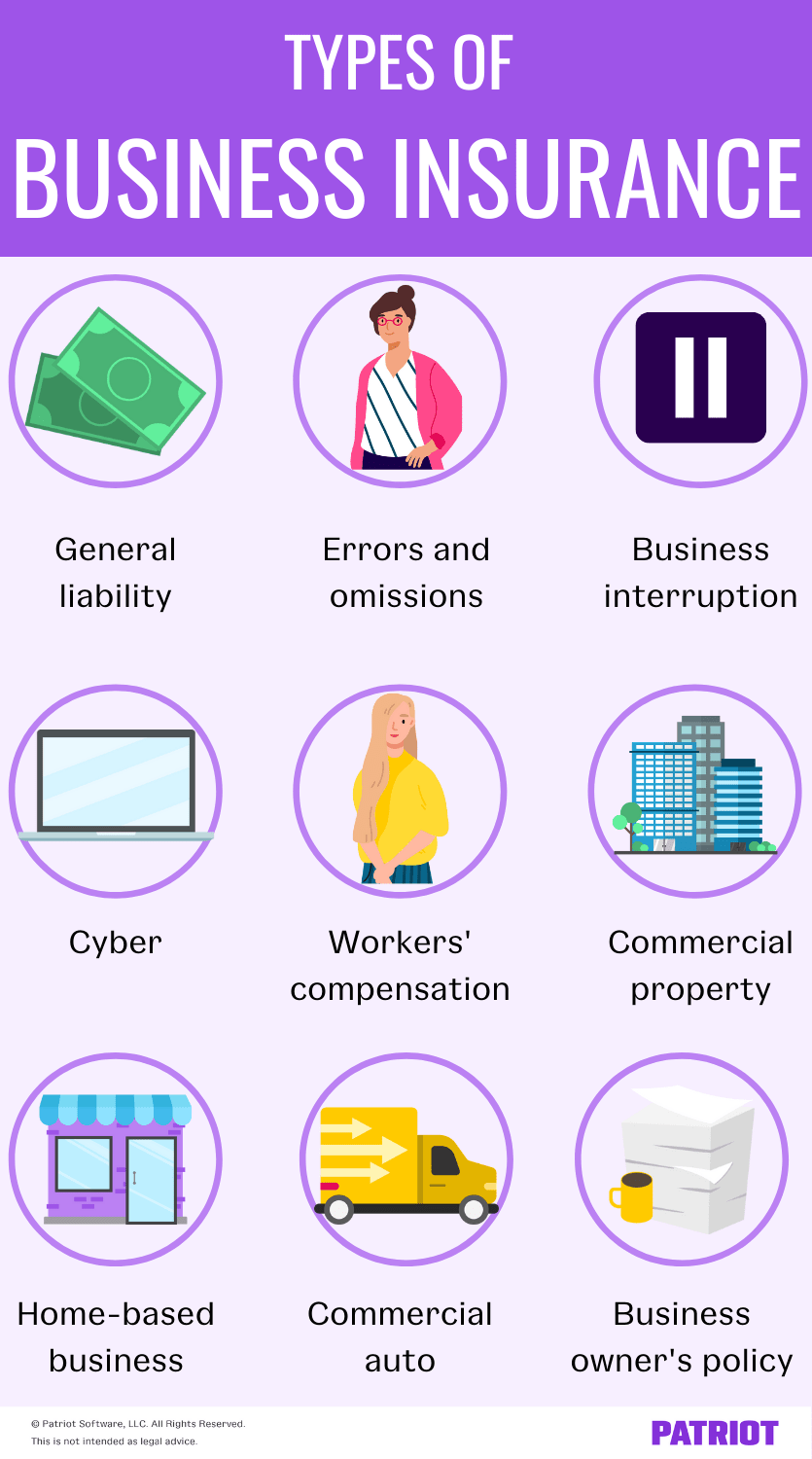
Liability insurance is one of the most crucial types of business insurance. It protects your company from financial losses resulting from lawsuits, property damage, or personal injuries. There are several types of liability insurance, including:
- General Liability Insurance: This type of insurance covers general business liabilities, such as slip-and-fall accidents, product liability, and advertising injuries.
- Professional Liability Insurance: Also known as errors and omissions (E&O) insurance, this type of insurance protects professionals, such as lawyers, doctors, and accountants, from claims of negligence or misconduct.
- Product Liability Insurance: If your business manufactures or sells products, this type of insurance can help you cover damages resulting from product defects or malfunctions.
2. Property Insurance
Property insurance covers your business’s physical assets, such as buildings, equipment, and inventory. There are several types of property insurance, including:
- Commercial Property Insurance: This type of insurance covers damage to your business’s physical property, such as buildings, equipment, and inventory.
- Business Interruption Insurance: This type of insurance helps cover lost revenue and expenses if your business is forced to close temporarily due to a covered event, such as a fire or natural disaster.
- Equipment Breakdown Insurance: This type of insurance covers the cost of repairing or replacing damaged equipment, such as computers or machinery.
3. Workers’ Compensation Insurance
Workers’ compensation insurance provides benefits to employees who are injured on the job or become ill as a result of their job. This type of insurance is mandatory in most states and covers:
- Medical Expenses: Workers’ compensation insurance covers medical expenses related to work-related injuries or illnesses.
- Lost Wages: This type of insurance provides partial replacement of lost wages if an employee is unable to work due to a work-related injury or illness.
- Rehabilitation Expenses: Workers’ compensation insurance covers the cost of rehabilitation expenses, such as physical therapy or vocational training.
4. Business Auto Insurance
If your business uses vehicles, you need business auto insurance to protect your company from financial losses resulting from accidents or other vehicle-related incidents. This type of insurance covers:
- Liability: Business auto insurance covers damages to other people or property in the event of an accident.
- Collision: This type of insurance covers damages to your company’s vehicles, regardless of who is at fault.
- Comprehensive: Business auto insurance covers damages to your company’s vehicles resulting from non-collision events, such as theft or vandalism.
5. Cyber Insurance
Cyber insurance protects your business from financial losses resulting from cyber-attacks or data breaches. This type of insurance covers:
- Data Recovery: Cyber insurance covers the cost of recovering lost or stolen data.
- Legal Expenses: This type of insurance provides coverage for legal expenses related to cyber-attacks or data breaches.
- Business Interruption: Cyber insurance can help cover lost revenue and expenses if your business is forced to close temporarily due to a cyber-attack or data breach.
6. Directors and Officers (D&O) Insurance
D&O insurance protects your company’s directors and officers from lawsuits and financial losses resulting from their actions or decisions. This type of insurance covers:
- Personal Assets: D&O insurance protects the personal assets of directors and officers from lawsuits or financial losses.
- Corporate Assets: This type of insurance provides coverage for corporate assets, such as company funds or assets.
7. Employment Practices Liability (EPL) Insurance
EPL insurance protects your business from lawsuits and financial losses resulting from alleged employment practices, such as:
- Discrimination: EPL insurance covers claims of discrimination, including age, sex, or racial discrimination.
- Harassment: This type of insurance provides coverage for claims of harassment or hostile work environment.
- Wrongful Termination: EPL insurance covers claims of wrongful termination or retaliation.
8. Business Umbrella Insurance
Business umbrella insurance provides excess liability coverage beyond the limits of your primary liability insurance policies. This type of insurance can help protect your business from catastrophic losses or lawsuits.
9. Fidelity Bond Insurance
Fidelity bond insurance protects your business from losses resulting from employee dishonesty, such as theft or embezzlement.
10. Specialized Insurance
There are several specialized insurance policies that can provide additional protection for your business, including:
- Environmental Insurance: This type of insurance covers environmental damages or cleanup costs resulting from your business’s operations.
- Intellectual Property Insurance: Intellectual property insurance covers damages resulting from intellectual property infringement or theft.
- Terrorism Insurance: This type of insurance covers damages resulting from acts of terrorism.
Why You Need Business Insurance
Business insurance can provide your company with numerous benefits, including:
- Financial Protection: Business insurance can help protect your business from financial losses resulting from lawsuits, property damage, or other covered events.
- Risk Management: By investing in business insurance, you can minimize risks and uncertainties that can impact your organization.
- Compliance: Many types of business insurance are mandatory, such as workers’ compensation insurance.
- Peace of Mind: Having the right type of business insurance can provide you with peace of mind, knowing that your company is protected from unforeseen events.
Conclusion
Business insurance is an essential investment for any company. By understanding the different types of business insurance, you can protect your organization from financial losses, minimize risks and uncertainties, and ensure compliance with regulatory requirements. Remember to consult with a licensed insurance professional to determine the right type and amount of insurance for your business.
Frequently Asked Questions
Q: What is business insurance?
A: Business insurance is a type of insurance that provides financial protection to businesses from losses resulting from lawsuits, property damage, or other covered events.
Q: What types of business insurance are available?
A: There are many types of business insurance available, including liability insurance, property insurance, workers’ compensation insurance, and business auto insurance.
Q: Why do I need business insurance?
A: Business insurance can provide financial protection, risk management, compliance, and peace of mind.
Q: How much does business insurance cost?
A: The cost of business insurance varies depending on the type and amount of insurance, as well as your company’s specific risks and exposures.
Q: How do I choose the right business insurance policy?
A: You should consult with a licensed insurance professional to determine the right type and amount of insurance for your business.


Comments
Post a Comment