The Basics Of Travel Insurance For Frequent Flyers
The Basics of Travel Insurance for Frequent Flyers
Are you a frequent flyer? Do you often find yourself jetting off to new destinations, whether for business or pleasure? If so, you’re likely no stranger to the thrill of exploring new places, meeting new people, and making unforgettable memories. But, as exciting as travel can be, it’s also filled with uncertainty and unpredictability.
Flight delays, cancelled trips, lost luggage, and medical emergencies are just a few of the many things that can go wrong when you’re on the go. That’s where travel insurance comes in – a safety net that can help protect you from financial loss and provide peace of mind, no matter where your travels take you.
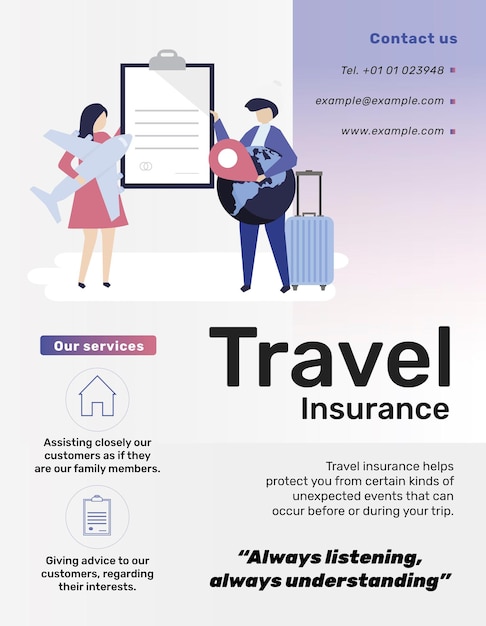
In this article, we’ll cover the basics of travel insurance for frequent flyers, including what it is, how it works, and what to look for when choosing a policy.
What is Travel Insurance?
Travel insurance is a type of insurance policy that’s designed to cover unexpected events and expenses that may occur while you’re traveling. It can provide financial protection against trip cancellations, interruptions, and delays, as well as medical emergencies, lost or stolen luggage, and travel-related accidents.
Travel insurance typically comes in different forms, including:
- Single-Trip Insurance: Covers a single trip or vacation
- Annual Multi-Trip Insurance: Covers multiple trips within a year
- Group Travel Insurance: Covers a group of people traveling together
How Does Travel Insurance Work?
Travel insurance works similarly to other types of insurance policies. Here’s a step-by-step breakdown of how it typically works:
- Policy Purchase: You purchase a travel insurance policy from an insurance provider or broker.
- Policy Coverage: Your policy provides coverage for specific travel-related risks, such as trip cancellations, medical emergencies, and lost luggage.
- Claim Filing: If something goes wrong during your trip, you file a claim with your insurance provider.
- Claim Review: The insurance provider reviews your claim and determines if it’s eligible for coverage.
- Claim Payout: If your claim is approved, the insurance provider pays out the claim amount to help cover your expenses.
What to Look for in a Travel Insurance Policy
When choosing a travel insurance policy, there are several things to look for to ensure you get the right coverage for your needs. Here are some key factors to consider:
- Coverage Limits: Check the policy’s coverage limits to ensure they align with your travel plans and expenses.
- Deductibles: Look for policies with low or no deductibles to minimize your out-of-pocket expenses.
- Policy Exclusions: Review the policy’s exclusions to ensure you understand what’s not covered.
- Pre-Existing Conditions: Check if the policy covers pre-existing medical conditions.
- Adventure Activities: If you plan to engage in adventure activities, such as skiing or scuba diving, ensure the policy covers these activities.
- Travel Assistance: Look for policies that offer 24/7 travel assistance and emergency support.
Types of Travel Insurance Coverage
Travel insurance policies often offer a range of coverage options to suit different needs and preferences. Here are some common types of coverage:
- Trip Cancellation Insurance: Covers trip cancellations or interruptions due to unforeseen events, such as natural disasters or travel bans.
- Trip Interruption Insurance: Covers trip interruptions due to unforeseen events, such as flight delays or medical emergencies.
- Medical Insurance: Covers medical expenses, including doctor visits, hospital stays, and medical evacuations.
- Travel Delay Insurance: Covers travel delays due to unforeseen events, such as flight delays or cancellations.
- Lost or Stolen Luggage Insurance: Covers lost or stolen luggage, including personal belongings and travel documents.
- Travel Accident Insurance: Covers travel-related accidents, such as flight accidents or car accidents.
Benefits of Travel Insurance for Frequent Flyers
Travel insurance offers many benefits for frequent flyers, including:
- Financial Protection: Travel insurance provides financial protection against unexpected events and expenses.
- Peace of Mind: Knowing you’re covered can give you peace of mind, allowing you to enjoy your travels without worrying about the what-ifs.
- Flexibility: Travel insurance can provide flexibility if your travel plans change or if you need to cancel your trip.
- Convenience: Many travel insurance policies offer 24/7 travel assistance and emergency support, making it easy to get help when you need it.
Common Travel Insurance Myths
There are several common myths about travel insurance that can lead to confusion and misinformed decision-making. Here are some of the most common myths:
- Myth: Travel insurance is too expensive.
Reality: Travel insurance can be affordable, especially if you purchase an annual policy or bundle it with your travel plans. - Myth: Travel insurance only covers trip cancellations.
Reality: Travel insurance can cover a range of risks, including medical emergencies, lost luggage, and travel-related accidents. - Myth: Travel insurance is only for foreign travel.
Reality: Travel insurance can cover domestic travel as well, including flights, car rentals, and hotel stays. - Myth: Travel insurance is unnecessary if you have medical insurance.
Reality: Travel insurance can provide additional coverage for medical expenses, including medical evacuations and repatriation.
Conclusion
Travel insurance is an essential safety net for frequent flyers, providing financial protection and peace of mind against unexpected events and expenses. When choosing a travel insurance policy, consider the types of coverage you need, the policy’s coverage limits, deductibles, and exclusions. By understanding the basics of travel insurance and what to look for in a policy, you can make informed decisions and enjoy your travels with confidence.
Additional Tips
- Always read the fine print: Before purchasing a travel insurance policy, read the fine print to ensure you understand what’s covered and what’s not.
- Compare policies: Compare different policies to ensure you get the best coverage for your needs and budget.
- Purchase travel insurance early: Purchase travel insurance as soon as you book your trip to ensure you’re covered for unexpected events and expenses.
- Keep your policy documents handy: Keep your policy documents handy, including your policy number and contact information for your insurance provider.
By following these tips and understanding the basics of travel insurance, you can stay protected and enjoy your travels with confidence. Happy travels!


Comments
Post a Comment