How To Get The Most Out Of Your Auto Insurance: A Comprehensive Guide
How to Get the Most Out of Your Auto Insurance: A Comprehensive Guide
As a car owner, you’re likely to have auto insurance to protect yourself and your vehicle from financial losses in case of an accident or other unforeseen events. However, many of us don’t fully understand how to get the most out of our auto insurance policies. In this article, we’ll break down the key aspects of auto insurance and provide you with practical tips on how to maximize your benefits while minimizing your costs.
Understanding Auto Insurance Basics
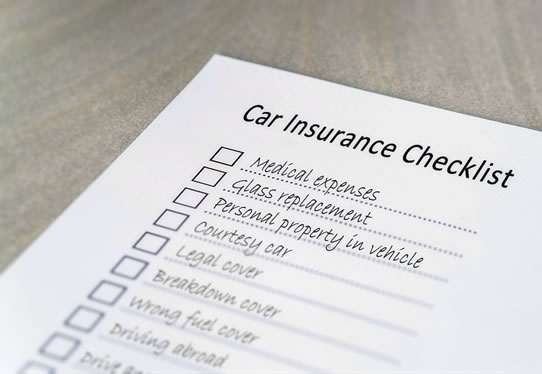
Before we dive into the nitty-gritty, let’s cover the basics. Auto insurance typically includes the following components:
- Liability coverage: Covers damages or injuries you cause to others in an accident.
- Collision coverage: Pays for damages to your vehicle in case of a collision, regardless of fault.
- Comprehensive coverage: Covers non-collision damages, such as theft, vandalism, or natural disasters.
- Personal injury protection (PIP): Covers medical expenses for you and your passengers, regardless of fault.
- Uninsured/underinsured motorist coverage: Protects you if the other driver involved in an accident is uninsured or underinsured.
How to Get the Most Out of Your Auto Insurance
Now that we’ve covered the basics, let’s move on to some actionable tips on how to get the most out of your auto insurance:
1. Shop Around and Compare Rates
When it comes to auto insurance, it’s essential to shop around and compare rates from different providers. You can use online insurance marketplaces or consult with a licensed insurance agent to find the best rates for your needs.
Tip: Consider factors like coverage limits, deductibles, and policy exclusions when comparing rates.
2. Choose the Right Deductible
Your deductible is the amount you pay out-of-pocket when filing a claim. Choosing a higher deductible can lower your premiums, but it means you’ll pay more when you file a claim.
Tip: Consider your financial situation and choose a deductible that you can afford to pay in case of a claim.
3. Bundle Your Policies
Many insurance companies offer discounts for bundling multiple policies, such as home and auto insurance. This can help you save money on your premiums.
Tip: Make sure to compare rates for bundled policies versus individual policies to ensure you’re getting the best deal.
4. Improve Your Credit Score
Your credit score can affect your auto insurance rates. A good credit score can help you qualify for lower premiums.
Tip: Check your credit report and work on improving your credit score by paying bills on time and reducing debt.
5. Install Safety Features
Installing safety features in your vehicle, such as anti-lock brakes, lane departure warning systems, or a dashcam, can help reduce your premiums.
Tip: Consider installing safety features that are recognized by your insurance company, as they may offer discounts for them.
6. Drive Safely
Your driving record can significantly impact your auto insurance rates. A clean driving record can help you qualify for lower premiums.
Tip: Practice safe driving habits, such as following speed limits, avoiding distracted driving, and maintaining a safe following distance.
7. Take Advantage of Low-Mileage Discounts
If you drive less than a certain number of miles per year, you may qualify for low-mileage discounts.
Tip: Consider using a usage-based insurance program or tracking your mileage to qualify for low-mileage discounts.
8. Use Online Tools and Apps
Many insurance companies offer online tools and apps that can help you track your driving habits, monitor your vehicle’s health, and even file claims.
Tip: Take advantage of these tools to optimize your driving habits and stay on top of your policy.
9. Read Your Policy Carefully
It’s essential to read your policy carefully to understand what’s covered and what’s not.
Tip: Pay attention to policy exclusions and limitations to avoid surprises in case of a claim.
10. Review and Update Your Policy Regularly
Your auto insurance needs may change over time, so it’s essential to review and update your policy regularly.
Tip: Consider updating your policy when you purchase a new vehicle, move to a new location, or experience changes in your driving habits.
Additional Tips for Maximizing Your Benefits
Here are some additional tips to help you maximize your benefits:
- Know your coverage limits: Understand what’s covered under each component of your policy to avoid surprises in case of a claim.
- Use roadside assistance: Many insurance companies offer roadside assistance programs that can help you save money on towing and repair services.
- Take advantage of rental car coverage: If your vehicle is in the shop for repairs, consider using rental car coverage to minimize the disruption to your daily routine.
- Keep records of your maintenance: Keep records of your vehicle’s maintenance to prove its condition in case of a claim.
Common Auto Insurance Mistakes to Avoid
Here are some common auto insurance mistakes to avoid:
- Not shopping around for rates: Failing to compare rates from different providers can result in overpaying for your premiums.
- Not reading your policy carefully: Not understanding your policy’s exclusions and limitations can lead to surprises in case of a claim.
- Not reviewing and updating your policy regularly: Failing to update your policy can result in inadequate coverage or missed opportunities for savings.
- Not driving safely: Not driving safely can increase your premiums and lead to more claims.
Conclusion
Getting the most out of your auto insurance requires more than just paying your premiums on time. By understanding your policy, shopping around for rates, and taking advantage of discounts and benefits, you can maximize your protection and minimize your costs. Remember to review and update your policy regularly to ensure you’re getting the best possible coverage for your needs.


Comments
Post a Comment